

Patterned floors need proportion
Herringbone introduces movement, so board size and room scale have to work together. A format that feels elegant in a large entry can feel visually crowded in a compact room.
The pattern should support the architecture rather than compete with it.
Tone selection drives the result
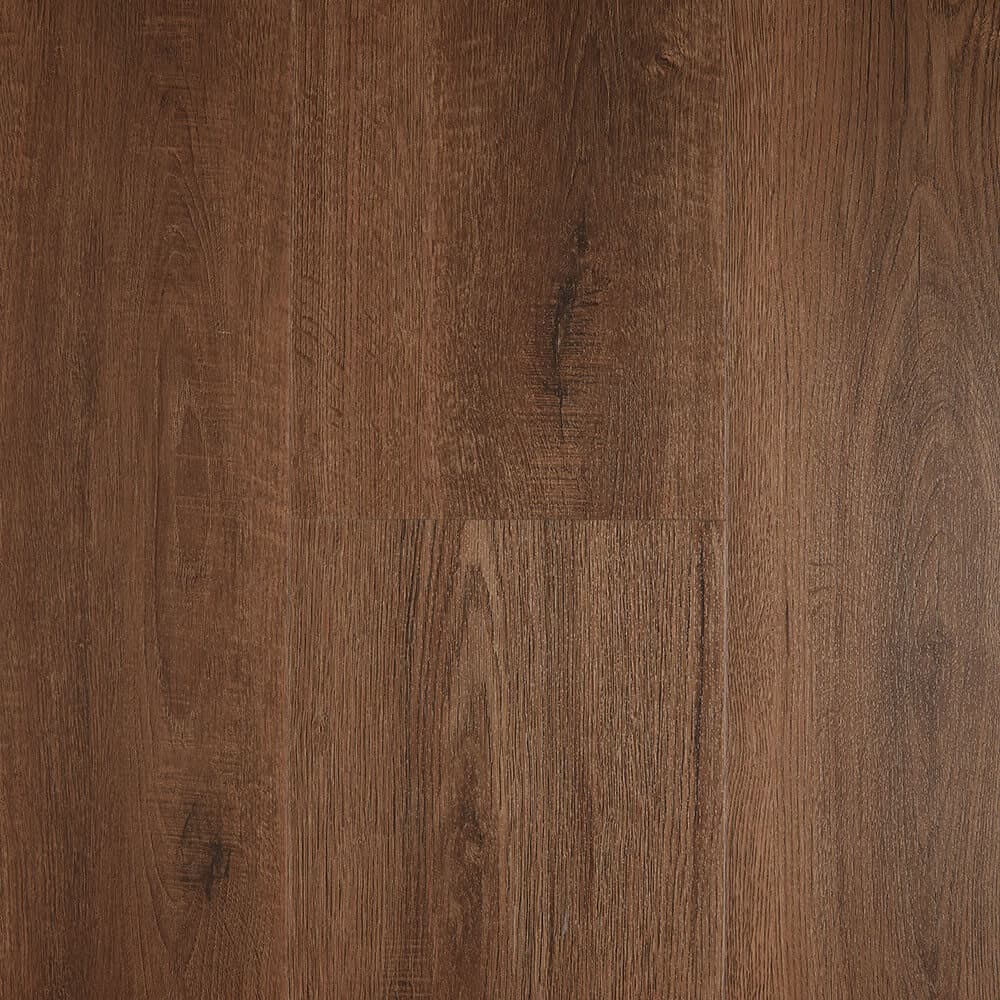
Warm mid-tones keep herringbone approachable and soft, while pale tones feel more gallery-like and contemporary.
Darker finishes can be dramatic, but they need enough light and space to avoid making the room feel compressed.
- Use lighter tones for smaller rooms and lower-light interiors
- Use mid-tones for balanced warmth in family living spaces
- Confirm layout direction before installation begins
Installation detail matters more than usual
Because the pattern is geometric, small inconsistencies are easier to see than on standard planks.
Experienced installers, careful set-out, and clean edge detailing are what make herringbone look premium instead of improvised.
Frequently Asked Questions
Is herringbone more expensive to install?
Usually yes. The layout is more labour-intensive than straight plank installation and requires tighter set-out control.
Can hybrid flooring be installed in herringbone?
Yes. Many herringbone collections are available in hybrid and engineered formats, depending on the desired look and technical needs.